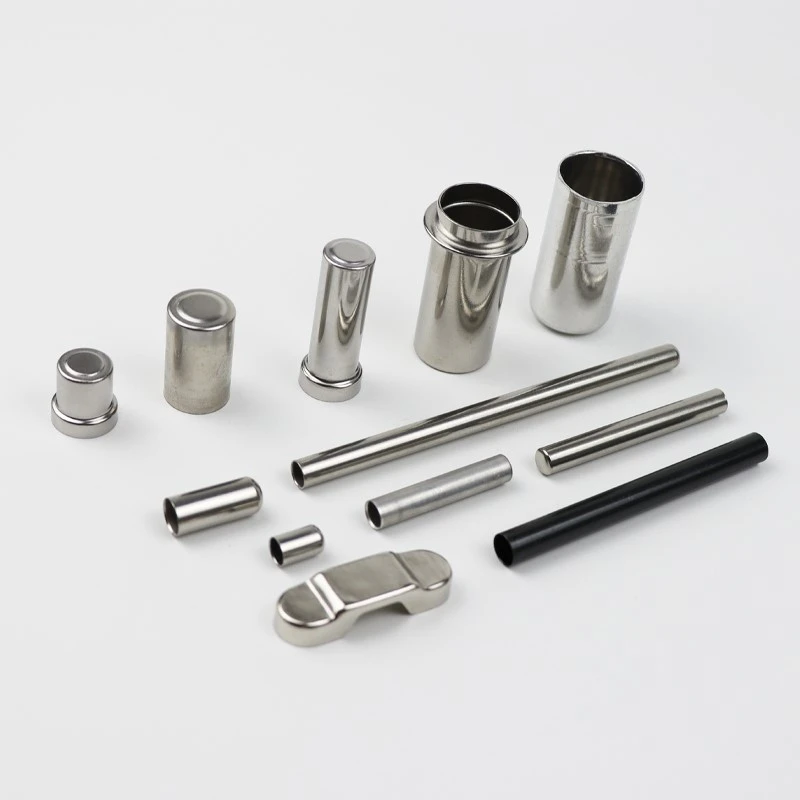
1. Reduce Wear
One of the most important functions of bushings is to reduce friction and wear. In mechanical equipment, when two relatively moving parts are in direct contact, significant friction is generated. Prolonged friction leads to surface wear, affecting the equipment's precision and lifespan. Bushings are typically made of materials with good anti-friction properties, such as copper alloys and plastics. Installed between two parts, a bushing acts as an intermediary, bearing most of the frictional force and protecting the main components from excessive wear. For example, installing a bushing between the small end of the connecting rod and the piston pin in an engine effectively reduces wear between them, ensuring normal engine operation.
2. Buffer and Dampen Vibrations
During the operation of some mechanical equipment, vibrations and impact loads are generated. Bushings can buffer and dampen these loads, absorbing and dispersing this energy, reducing damage to other components. For example, bushings are widely used in automotive suspension systems. When a car travels on uneven roads, the wheels are impacted by the ground. Bushings can disperse and absorb this impact energy, reducing vehicle vibration and sway, improving ride comfort, and protecting other components of the suspension system from damage.
3. Positioning and Guiding
Bushings also provide accurate positioning and guidance for components. In mechanical equipment requiring precise movement, bushings ensure that components move along a predetermined trajectory. For example, installing bushings on the guide rails of a machine tool ensures the straightness and accuracy of the tool or worktable during movement, improving machining quality. Furthermore, in the support parts of rotating shafts, bushings keep the shaft in the correct position, preventing shaft misalignment and wobbling, and ensuring stable operation of the equipment.
4. Isolation and Sealing
In some cases, bushings can serve as isolation and sealing agents. They prevent contact and leakage between different media. For example, in chemical equipment, bushings can isolate corrosive media from the metal parts of the equipment, preventing corrosion. Simultaneously, bushings also act as seals, preventing liquid or gas leakage, ensuring normal equipment operation and a safe working environment.